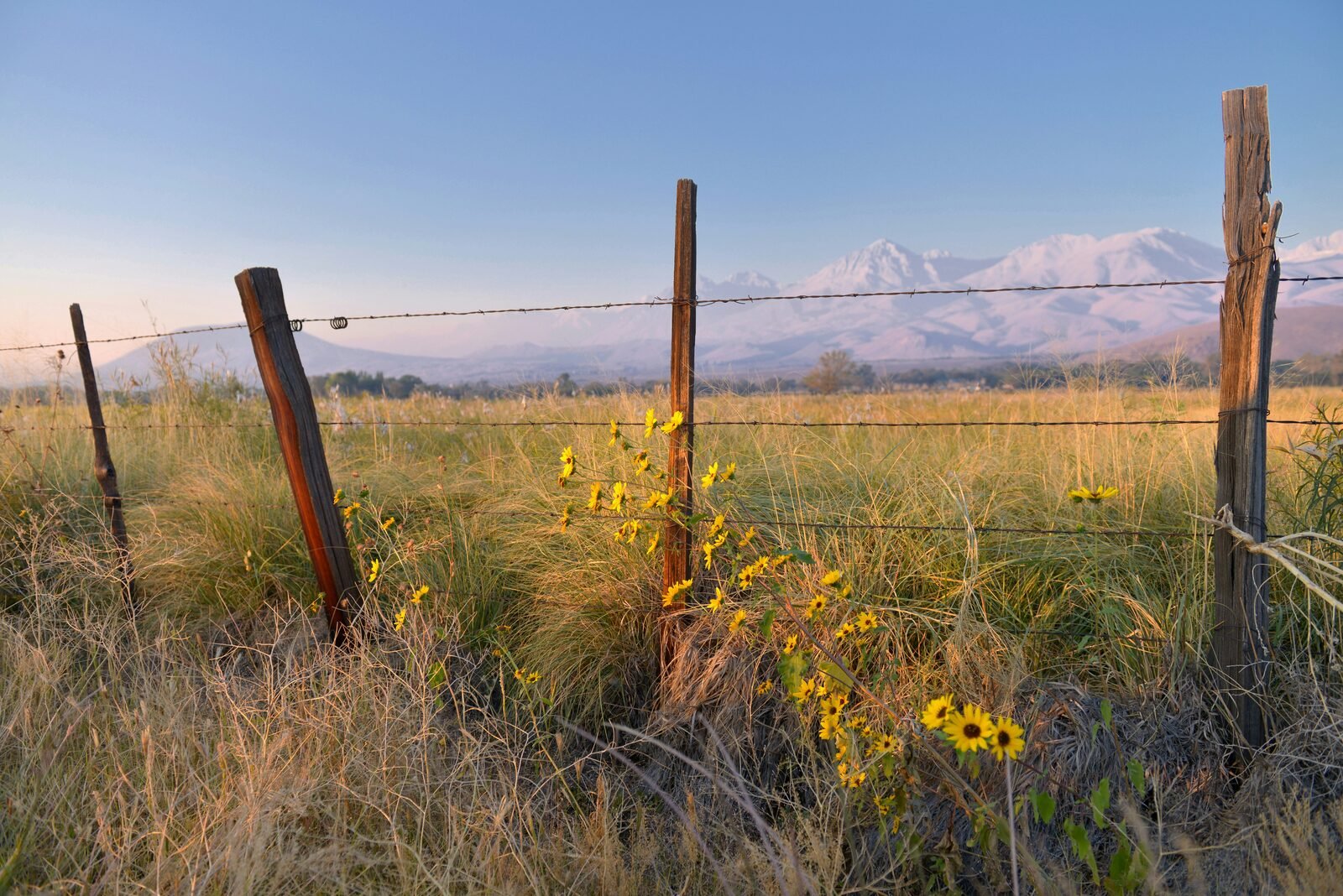
Best Fencing for Mixed Livestock
Fencing options for mixed livestock: durability, safety, and cost considerations for small to large acreages.
When buyers evaluate livestock fencing, the decision usually comes down to tradeoffs: mixed livestock tends to be the lever that changes durability and comfort the most. Treat the building as a system (site prep, foundation, shell, doors, airflow) and the choices become much clearer.
What to prioritize
- Animal safety (visibility, snag risk) and escape resistance
- Gate layout that matches how you move animals and equipment
- Maintenance time (tension checks, vegetation, charger monitoring)
FAQ
What drives the price of a fencing for mixed livestock the most?
Size, wind/snow requirements, door count, insulation, and site prep are the biggest cost drivers. The shell is only one part of the total budget.
How long does a typical fencing for mixed livestock last?
With normal maintenance and appropriate coatings, many structures perform for decades. Longevity depends on climate exposure, fastener quality, and whether water is managed away from the building.
Is it better to buy a kit or a turnkey package?
Kits can save money if you manage site work and labor efficiently. Turnkey packages simplify coordination but often cost more. Your best choice depends on timeline and risk tolerance.
Do I need a permit for a fencing for mixed livestock?
In many areas, yes. Requirements vary by county/city. Confirm setbacks, engineered drawings, and wind load requirements with your local building department before purchasing.